Skip to content
snhotels.comJournal of hotel interiors

Journal · Hotel interior design

Hotel interiors, specified for the night after opening.

snhotels.com is a journal for hotel owners, designers and operators. It covers the decisions behind guest rooms, lobbies and corridors: what to specify, how it is cleaned and repaired, and which standards apply. Every article links the sources behind its claims.

Read the journalHow articles are researched

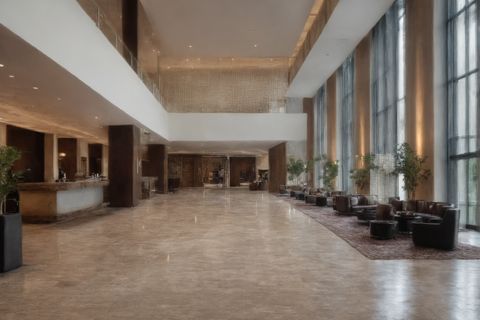
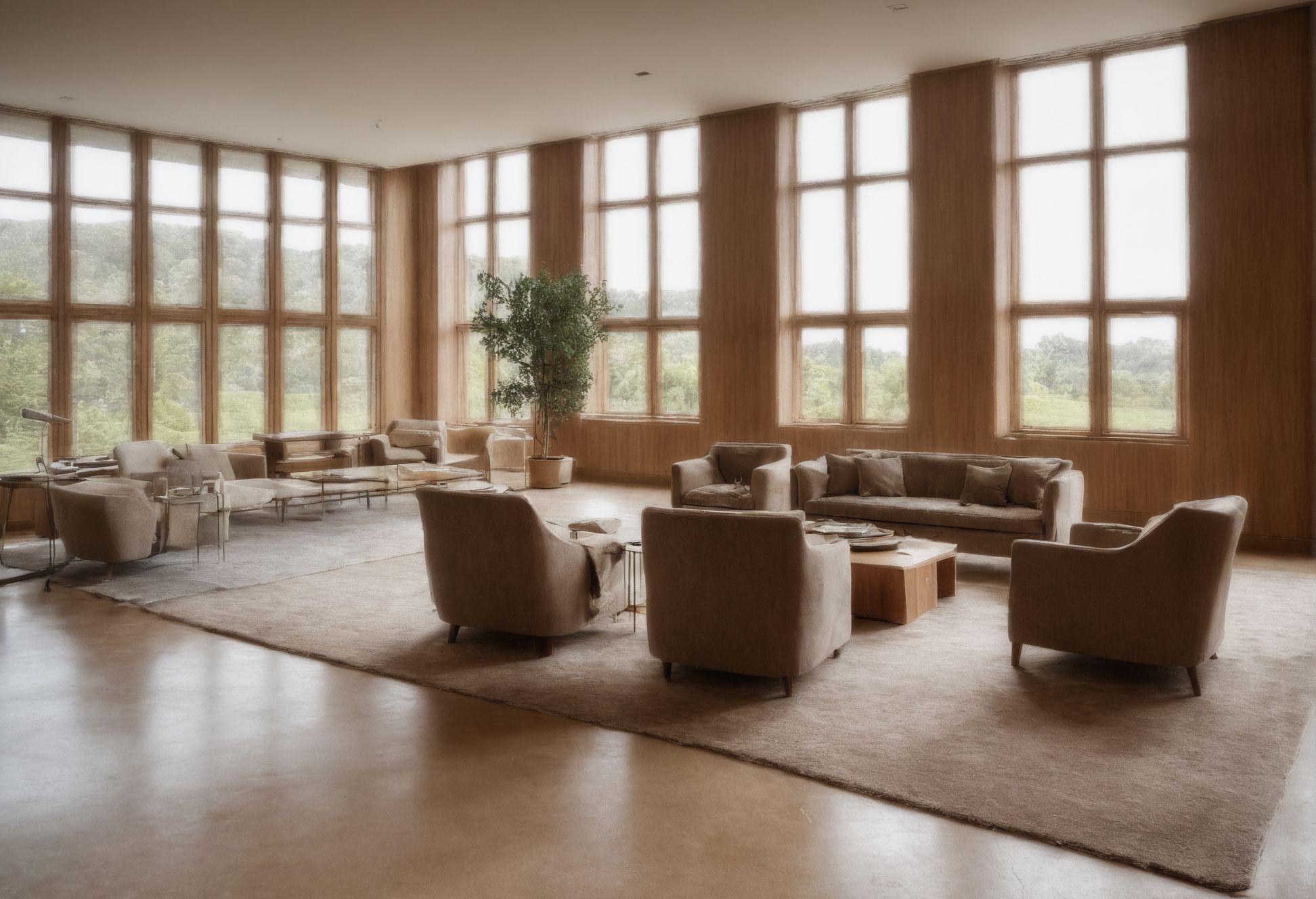
Hotel lobby lounge with armchairs and sofas on a large rug under tall windows

The schedule

Latest articles

All articles in the journal →

Item 04, Lobbies and corridors

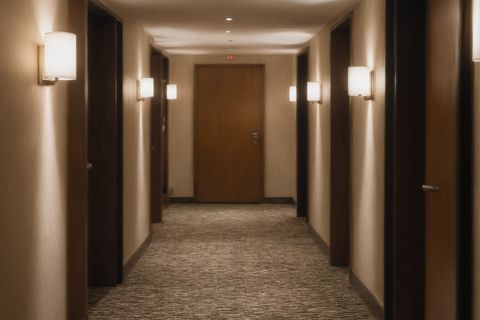
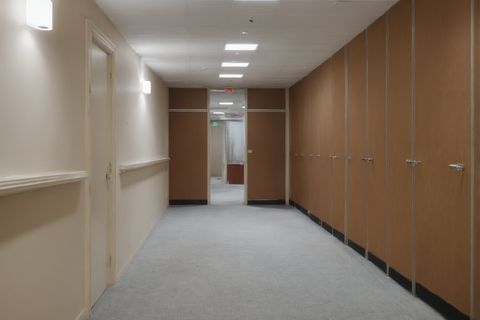
Hotel Corridor Finishes That Survive Luggage and Service Carts

Corridors take more wheeled traffic than any other guest space. Specify firm low-pile flooring, protect the wall zone that carts hit, keep fixtures within protrusion limits and plan for cleaning at night.

Item 03, Lobbies and corridors

How to Zone a Hotel Lobby for Arrivals and for Lingering

A lobby has to process arrivals quickly and invite people to stay. Separate the two with zones, keep a clear route between door, desk and elevators, and specify seating for heavy use.

Item 02, Operations and renovation

Phasing a Hotel Renovation While the Property Stays Open

Keeping a hotel open during works means trading speed for control. Phase by floor or stack, seal the work zone, schedule the loud and dusty tasks, keep routes and fire protection intact, and tell guests the truth.

Index

Browse by topic

  • Guest rooms

    Furniture, lighting, acoustics and the details that decide whether a room still works after thousands of stays.

    3 articles

  • Lobbies and corridors

    Arrival areas, lounges and the circulation routes that carry guests, luggage carts and housekeeping trolleys.

    2 articles

  • Operations and renovation

    Maintenance, phasing and the handover information that keeps a design working after opening day.

    1 article

Method

How the journal works

  1. Start from the standard

    Claims about dimensions, controls, acoustics or safety are checked against the published code, guidance or study, and the link sits next to the claim.

  2. Write for the room in use

    Each article follows a space through cleaning, repair and replacement, not only through the opening photographs.

  3. Say what is not known

    Where guidance is regional, voluntary or silent, the article says so instead of filling the gap with a number.

Read the editorial policy →